
Snowstorms, hurricanes, floods, power outages and kitchen closures can stop meal delivery when clients need it most. A simple plan made ahead of time keeps clients fed and safe. Here’s what to include.
In this guide 6 sections
1. Emergency meals ahead of time
- Deliver shelf-stable emergency meal packs to clients before storm season, or ahead of a forecasted storm.
- Include foods that don’t need cooking or refrigeration, plus a bottle opener if needed and drinking water.
- Label packs clearly: “For emergency use only.”
2. Know your clients’ needs
- Keep an up-to-date list of clients, addresses, phone numbers and emergency contacts.
- Flag clients who live alone, use medical equipment that needs power, or have special diets.
- Plan who will call or check on each client during an emergency.
3. Backup equipment
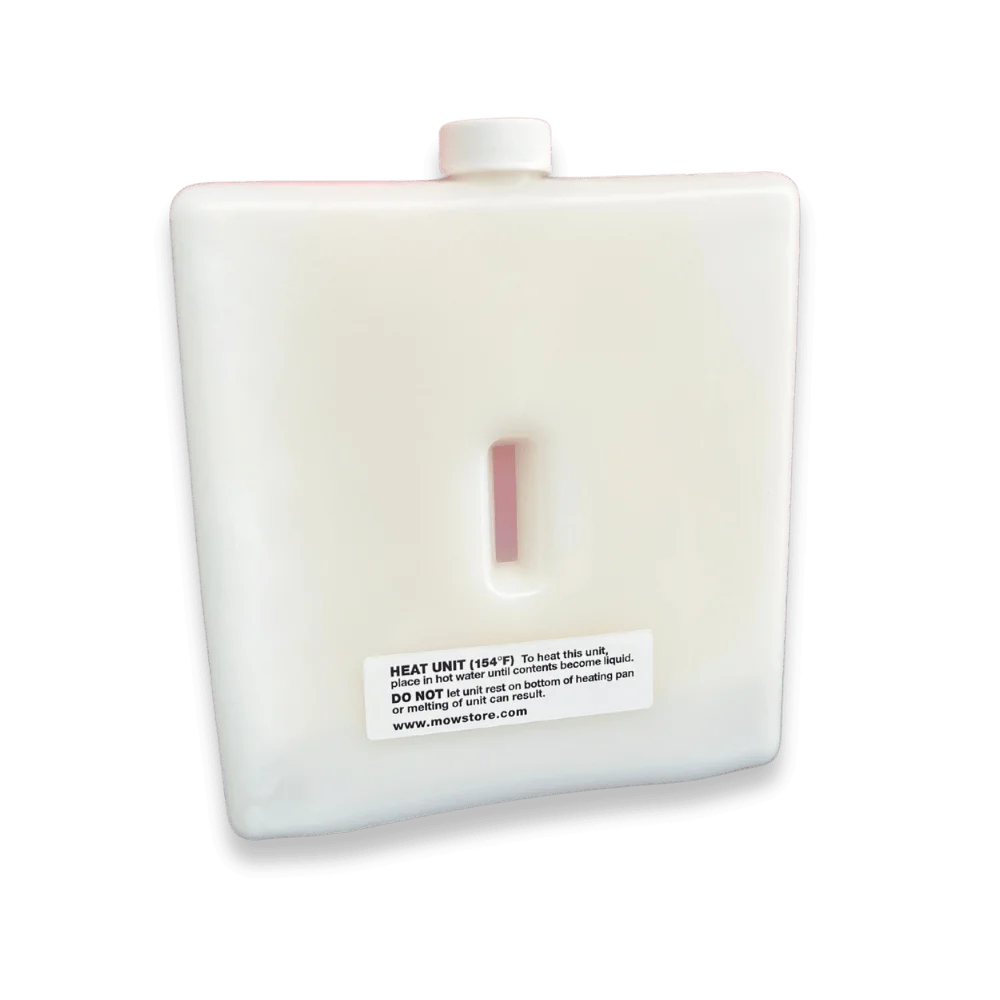
- Non-electric options. If vehicle power or kitchen power is a problem, blue non-electric bags with RouteHeat™ heat units keep meals hot without plugging in.
- Spare bags and cords so equipment failures don’t stop routes.
- Extra trays in case trays can’t be collected for a few days.
4. Plan for changed routes
- Decide ahead of time how you’ll combine or shorten routes if fewer drivers are available.
- Longer combined routes need more heat. See How to Keep Meals Hot on Long Routes and Winter Meal Delivery.
- Consider delivering two days of chilled or frozen meals before a storm. See Delivering Chilled and Frozen Meals Safely.
5. Communicate
- Tell clients and families how you’ll handle weather closures before they happen.
- Keep volunteers informed with a phone tree or text list.
- Coordinate with your area agency on aging and local emergency management.
Build your backup kit now
Call 1-800-332-6566 and we’ll help you put together spare bags, cords and non-electric heat for emergencies.
Products in this guide
Most popular with Meals on Wheels programs
- Thermal bags: electric and non-electric, hand-sewn in the USA since 1977
- REusable meal trays: about 4¢ a meal vs. 29¢ to 56¢ for disposables (free samples)
- Electric Bag Heater: patented heater that makes any thermal bag electric
- RouteHeat™ heat units: reusable, 140°F to 160°F for 3 to 4 hours, no outlet needed